As dog owners, we all wish our furry friends could tell us when something’s wrong. Unfortunately, our dogs can’t speak our language, so they rely on us to notice when something is off. Recognizing the signs that your dog might be in pain can make a huge difference in their quality of life. From subtle changes in behavior to more obvious physical symptoms, being aware of what to look for can help you take action quickly. Here are 10 signs your dog might be in pain and what you can do to help.
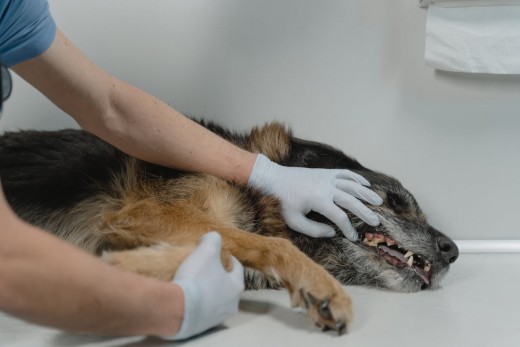
1. Changes in Appetite
One of the first signs that something might be wrong is a sudden change in your dog’s eating habits. If your dog, who usually gobbles down their meals, suddenly becomes disinterested in food, it could be a sign of pain or discomfort. Pain can make eating difficult or less appealing, especially if it involves dental issues or gastrointestinal discomfort.
What to Do: Monitor their eating habits closely. If your dog skips more than one meal or shows a consistent lack of interest in food, it’s time to consult your veterinarian. They can check for dental problems, digestive issues, or other underlying causes.
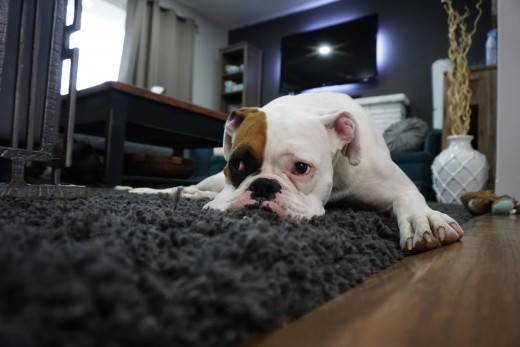
2. Reluctance to Move or Exercise
If your normally active dog becomes reluctant to go for walks, jump on the couch, or climb stairs, it could be a sign that they’re in pain. Dogs often avoid activities that exacerbate pain, particularly if they have joint issues, arthritis, or muscle injuries.
What to Do: Encourage gentle exercise to keep them mobile, but don’t push them too hard. It’s essential to consult your vet to identify the cause of their reluctance and discuss potential treatments, such as pain relief medication or physical therapy.
3. Excessive Panting or Labored Breathing
Dogs pant to cool down, but if you notice your dog panting excessively or breathing heavily without having exercised or being in a hot environment, it could indicate pain. This is particularly concerning if it’s accompanied by other signs like restlessness or whining.
What to Do: Keep your dog calm and comfortable, and contact your vet immediately. Labored breathing can be a sign of serious issues like heart disease, lung problems, or severe pain.
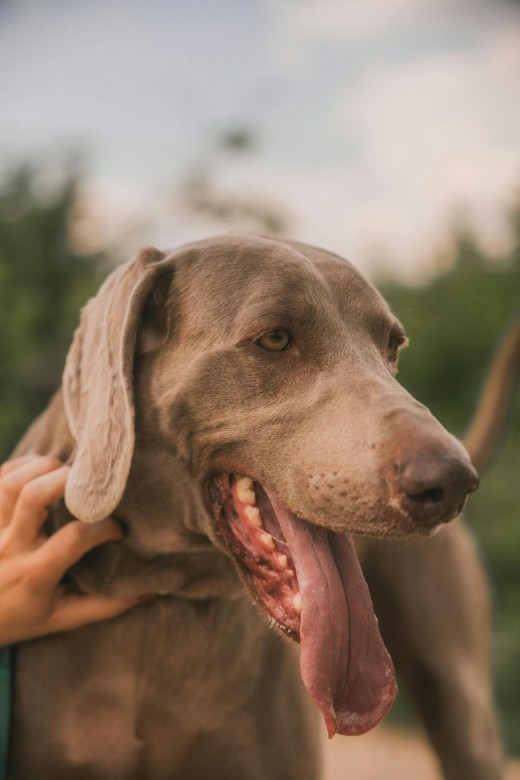
4. Restlessness and Inability to Settle
Dogs in pain often find it difficult to get comfortable. They may circle, change positions frequently, or get up and down repeatedly. Restlessness can be a sign of discomfort, anxiety, or an attempt to find a position that alleviates their pain.
What to Do: Observe your dog’s behavior and provide a comfortable resting place. If the restlessness persists, it’s crucial to see your vet to determine the cause and explore treatment options.
5. Licking, Chewing, or Biting Specific Areas
If your dog is persistently licking, chewing, or biting a particular area of their body, it’s often a sign of pain or irritation. Dogs may focus on areas where they’re experiencing discomfort, such as a sore joint, injury, or skin condition.
What to Do: Inspect the area your dog is focusing on for signs of injury, swelling, or redness. If you can’t find anything visible, or if the behavior continues, make an appointment with your vet. They may need to check for deeper issues like joint pain or internal injuries.
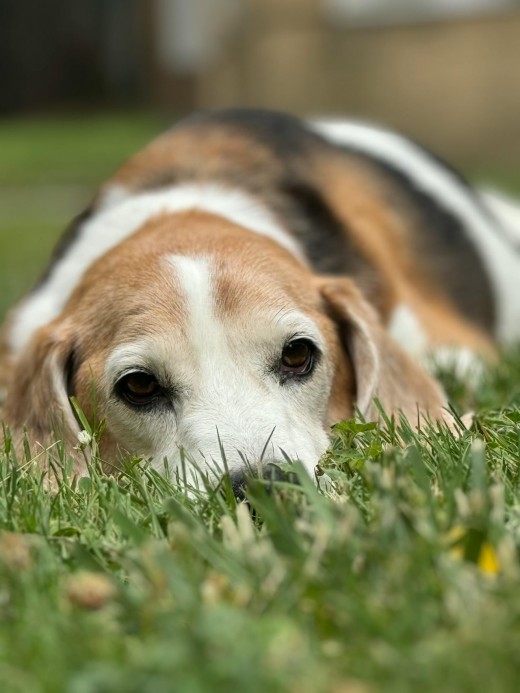
6. Whining, Whimpering, or Vocalizing
Dogs in pain may vocalize more than usual. If your dog starts whining, whimpering, or making other unusual sounds without an apparent reason, it’s often a cry for help. This is especially true if the vocalization occurs when they move or when a specific area of their body is touched.
What to Do: Comfort your dog, but don’t ignore these vocal cues. They are your dog’s way of telling you something is wrong. Schedule a visit to the vet to identify the source of the pain.
7. Changes in Posture or Gait
If your dog is walking differently, limping, or holding themselves in an unusual posture, it’s a clear sign that they might be in pain. This can be due to joint issues, injuries, or back pain. You might also notice them arching their back or carrying their head lower than usual.
What to Do: Limit their activity and provide a comfortable, supportive place to rest. Seek veterinary attention promptly, as gait changes often indicate a need for medical intervention.
8. Decreased Interest in Social Interaction
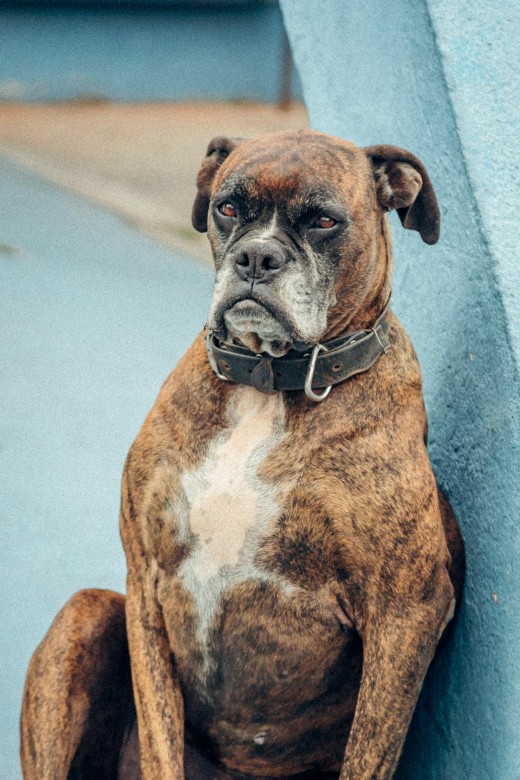
Dogs are social creatures, and a sudden withdrawal from family members or other pets can be a sign of distress. If your usually friendly dog starts avoiding contact, hiding, or seems less interested in play and attention, they might be in pain.
What to Do: Give your dog space if they need it, but monitor their behavior closely. If they continue to withdraw, consult your vet to discuss possible causes and treatments.
9. Changes in Bathroom Habits
Pain can affect a dog’s bathroom habits. They may have difficulty going to the bathroom, strain, or even have accidents in the house. This can be related to gastrointestinal issues, joint pain, or other internal problems.
What to Do: Keep track of any changes in your dog’s bathroom habits and report them to your vet. Changes in urination or defecation can indicate a range of health issues, from urinary tract infections to arthritis, and need prompt attention.
10. Unexplained Aggression or Irritability
Even the gentlest dogs can become irritable or aggressive when they’re in pain. If your dog starts growling, snapping, or showing signs of aggression when approached or touched, it could be a response to pain.
What to Do: Approach your dog calmly and carefully, avoiding any actions that might exacerbate their discomfort. It’s essential to consult your vet to identify the source of the pain and discuss appropriate treatment options.
Conclusion
Our dogs rely on us to be their advocates and protectors. By staying alert to these signs of pain, you can ensure that your dog gets the care they need to stay happy and healthy. If you notice any of these symptoms, don’t hesitate to contact your veterinarian. Early intervention can prevent minor issues from becoming major health problems.
Comments
Post a Comment