When you think of a Poodle, you might envision a sophisticated dog prancing through a show ring with perfectly coiffed curls. But there’s so much more to this charming breed than meets the eye. From their history to their unique characteristics and challenges, let’s dive into what makes Poodles such beloved companions.
History and Origin
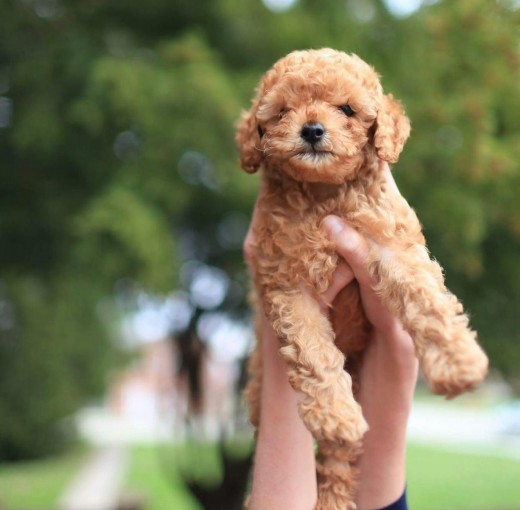
The Poodle's origins might surprise you. Although often associated with France, this breed actually hails from Germany. Originally bred as a water retriever, Poodles were highly valued for their ability to retrieve game from the water. Their name, "Poodle," comes from the German word "pudeln," meaning "to splash in water," which hints at their aquatic roots.
The breed gained prominence in France, where it became a symbol of elegance and grace. Over time, Poodles transitioned from hardworking retrievers to cherished companions, embodying a blend of intelligence and sophistication.
The Poodle Variety
Poodles come in three distinct sizes, each with its own unique charm:
Standard Poodle: The largest of the three, the Standard Poodle stands over 15 inches tall. This size isn’t just for show; Standards are energetic and intelligent, making them ideal for various dog sports and activities. Their larger size means they need ample space and exercise.
Miniature Poodle: Standing between 10 and 15 inches tall, Miniature Poodles offer a perfect balance of elegance and manageability. They’re energetic and playful, fitting well into family life and small homes.
Toy Poodle: The smallest of the Poodle sizes, Toy Poodles stand under 10 inches tall. Don’t let their size fool you; Toy Poodles are vibrant and full of personality. They’re well-suited for apartment living but still need plenty of exercise and mental stimulation.
Appearance and Coat
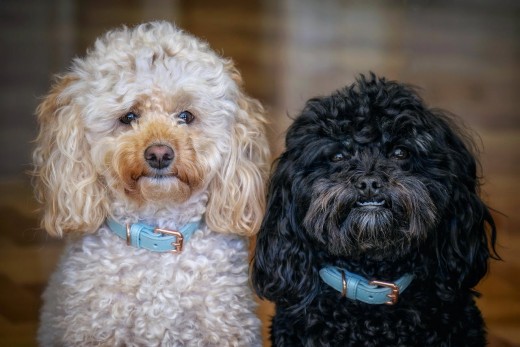
Poodles are renowned for their distinctive and elegant appearance, which is characterized by their curly, hypoallergenic coat. Here’s a closer look at their physical traits:
Coat: The Poodle’s curly coat is not only beautiful but also hypoallergenic, which means it produces fewer allergens than many other breeds. This coat comes in a variety of colors, including black, white, apricot, gray, and more. Regular grooming is essential to keep the coat healthy and free of matting. Weekly brushing and professional grooming every 6-8 weeks help maintain the coat’s condition and appearance.
Height and Weight:
- Standard Poodle: The largest of the three sizes, Standard Poodles stand over 15 inches tall at the shoulder, with many reaching between 22 to 27 inches. Their weight ranges from 45 to 70 pounds, depending on their build and gender.
- Miniature Poodle: Miniature Poodles stand between 10 and 15 inches tall at the shoulder. They typically weigh between 15 to 17 pounds. Their smaller size makes them more suitable for apartment living while still retaining their playful nature.
- Toy Poodle: The smallest size, Toy Poodles stand under 10 inches tall at the shoulder, and they generally weigh between 4 to 6 pounds. Despite their tiny size, Toy Poodles are energetic and require regular exercise and mental stimulation.
Build and Stature: Regardless of size, Poodles have a well-proportioned, square build. They carry themselves with an air of grace and sophistication, which contributes to their elegant appearance. Their long legs and distinctive curly coat enhance their refined look.
Temperament and Personality
Poodles are celebrated not just for their elegant appearance but also for their dynamic and engaging personality. Here’s a closer look at what makes their temperament so special:
Highly Intelligent: Poodles are among the smartest dog breeds, excelling in obedience training and problem-solving. Their quick learning ability makes them ideal for various dog sports and activities.
Playful and Energetic: Despite their refined look, Poodles are full of energy and enjoy playtime. They thrive on interactive games and physical activities, making them great companions for active families.
Affectionate and Loyal: Poodles form strong bonds with their families and are known for their loyalty and affection. They seek attention and love being involved in family activities.
Social and Friendly: Generally, Poodles get along well with children, other pets, and strangers, especially when properly socialized. Their friendly nature helps them adapt well to various social settings.
Sensitive and Observant: They are sensitive to their owner’s emotions and can provide comfort and support when needed. Their keen observation skills make them alert and aware of their surroundings.
Reserved with Strangers: While friendly, Poodles can be cautious or reserved around unfamiliar people. Proper socialization helps them become more confident and less wary of new experiences.
In summary, Poodles blend intelligence, energy, and affection, making them adaptable and delightful companions. Their unique personality traits ensure they fit well into various lifestyles, bringing both joy and sophistication to their owners.
How to Train a Poodle
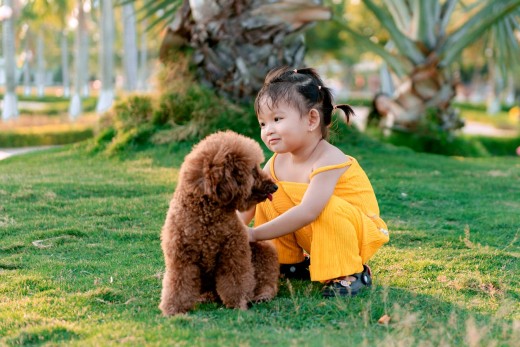
Training a Poodle can be a rewarding experience, given their high intelligence and eagerness to please. Here are some tips to make the training process smooth and effective:
Start Early: Begin training your Poodle as early as possible. Puppies are especially receptive to training and socialization. Early training helps establish good habits and builds a strong bond between you and your dog.
Use Positive Reinforcement: Poodles respond best to positive reinforcement methods. Reward your Poodle with treats, praise, and playtime for good behavior. This approach helps them associate training with positive outcomes, making them more eager to learn.
Be Consistent: Consistency is key in training. Use the same commands and rewards each time to help your Poodle understand what is expected. Avoid confusing your dog with mixed signals or inconsistent rules.
Keep Training Sessions Short and Fun: Poodles enjoy mental stimulation, but their attention spans can be short. Keep training sessions brief—about 5 to 10 minutes—and make them engaging. Incorporate games and positive interactions to keep your Poodle motivated.
Socialize Your Poodle: Socialization is an important aspect of training. Expose your Poodle to various people, pets, and environments to help them become well-adjusted and confident. Positive social experiences can reduce anxiety and improve their behavior.
Address Behavioral Issues Early: If you notice any behavioral issues, such as excessive barking or separation anxiety, address them early with appropriate training techniques. Poodles are sensitive and can develop habits quickly, so timely intervention is crucial.
Seek Professional Help if Needed: If you encounter challenges or specific behavioral issues, consider seeking help from a professional dog trainer. They can provide personalized guidance and support to help you and your Poodle succeed.
Challenges and Considerations
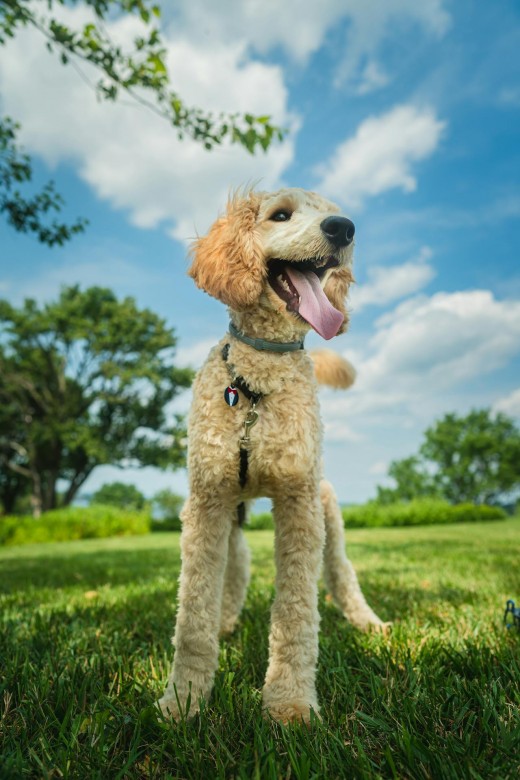
While Poodles have many wonderful traits, they are not without their challenges. Here are a few things to keep in mind:
Grooming: The Poodle’s coat, though hypoallergenic, requires significant upkeep. Regular brushing, grooming appointments, and ear cleaning are necessary to prevent matting and maintain overall health. For some owners, this can be a time-consuming task.
Health Concerns: Like all breeds, Poodles are susceptible to certain health issues. Common concerns include hip dysplasia, progressive retinal atrophy (PRA), and allergies. Regular vet check-ups and a healthy diet can help mitigate these risks.
Exercise Needs: Poodles, especially the Standard and Miniature varieties, require regular physical and mental stimulation. They thrive on daily exercise and enjoy activities that challenge their intellect and agility. Without sufficient stimulation, they can become bored and may develop behavioral issues.
Training: While Poodles are highly trainable, their intelligence can sometimes lead to stubbornness. Consistent, positive reinforcement training is essential to keep them well-behaved and engaged. Early socialization is also important to ensure they grow into confident, well-adjusted dogs.
Conclusion
The Poodle is a breed that combines elegance, intelligence, and versatility. Whether you choose a Standard, Miniature, or Toy Poodle, you’re adding a unique and loving companion to your life. They bring a lot of joy, energy, and sophistication, but also require a commitment to grooming, health, and training.
With the right care and training, Poodles thrive as loyal, well-behaved pets who enrich your life in countless ways. Embrace the challenges, and you’ll discover just how extraordinary a Poodle can be.
Comments
Post a Comment