Therapy dogs play a crucial role in providing comfort, companionship, and emotional support to people in various settings, from hospitals and nursing homes to schools and disaster areas. These special dogs have a unique ability to sense human emotions and offer a calming presence that can ease anxiety, reduce stress, and lift spirits. Not all dogs are naturally suited for therapy work, but some breeds stand out for their gentle temperament, trainability, and innate empathy.
In this article, we’ll explore the top 10 dog breeds that are particularly well-suited for therapy work. These breeds are not only known for their affectionate and calm nature but also for their ability to connect with people and adapt to different environments. We’ll also look into each breed’s origin, size, life expectancy, and temperament, helping you understand why these dogs excel in therapeutic roles.
List of Top 10 Dog Breeds for Therapy Work:
- Labrador Retriever
- Golden Retriever
- Poodle
- Cavalier King Charles Spaniel
- Greyhound
- Beagle
- Bernese Mountain Dog
- Bichon Frise
- Yorkshire Terrier
- Saint Bernard
Why These Breeds Excel in Therapy Work
The best dog breeds for therapy work share several key characteristics that make them particularly suited to this role:
- Calm Temperament: These breeds are known for their calm and steady nature, which is essential when providing emotional support in potentially stressful or high-pressure environments.
- Affectionate Nature: Therapy dogs need to be naturally affectionate and enjoy close contact with people. The breeds listed above are known for their loving and gentle dispositions.
- Empathy: A key trait of successful therapy dogs is their ability to sense and respond to human emotions. These breeds have a natural empathy that allows them to connect deeply with the people they are helping.
- Adaptability: Therapy dogs often work in various environments, from hospitals to schools. These breeds are adaptable and able to remain calm and focused, regardless of the setting.

1. Labrador Retriever
- Origin: Canada (Newfoundland)
- Height: 21.5-24.5 inches (55-62 cm)
- Weight: 55-80 pounds (25-36 kg)
- Life Expectancy: 10-12 years
- Temperament: Friendly, patient, gentle
Labrador Retrievers are one of the most popular breeds for therapy work, and it's easy to see why. Their friendly, outgoing nature and deep empathy make them ideal for interacting with people in need of comfort. Labs are incredibly patient and gentle, which allows them to be calm and steady, even in stressful environments. Their strong bond with humans and eagerness to please make them highly trainable and adaptable to various therapy settings.

2. Golden Retriever
- Origin: Scotland
- Height: 21.5-24 inches (55-61 cm)
- Weight: 55-75 pounds (25-34 kg)
- Life Expectancy: 10-12 years
- Temperament: Affectionate, calm, reliable
Golden Retrievers are another top choice for therapy work, known for their gentle and loving nature. They have an intuitive sense of what people need emotionally, making them exceptional at providing comfort and support. Goldens are calm and patient, traits that are essential when working with individuals who may be anxious or distressed. Their reliability and eagerness to connect with people make them a favorite in hospitals, nursing homes, and schools.
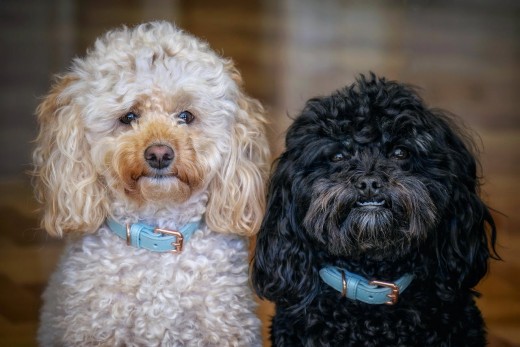
3. Poodle
- Origin: Germany/France
- Height: Standard: 15+ inches (38+ cm); Miniature: 10-15 inches (25-38 cm); Toy: under 10 inches (25 cm)
- Weight: Standard: 45-70 pounds (20-32 kg); Miniature: 12-20 pounds (5-9 kg); Toy: 4-6 pounds (2-3 kg)
- Life Expectancy: 12-15 years
- Temperament: Intelligent, alert, adaptable
Poodles, especially the Standard and Miniature varieties, are excellent therapy dogs due to their high intelligence and adaptability. They are quick learners and can be trained to perform a wide range of tasks, from simple companionship to more complex therapeutic activities. Poodles are also known for their hypoallergenic coats, which can be a significant advantage in environments where people may have allergies. Their alert and intuitive nature allows them to quickly respond to the emotional needs of those they are helping.
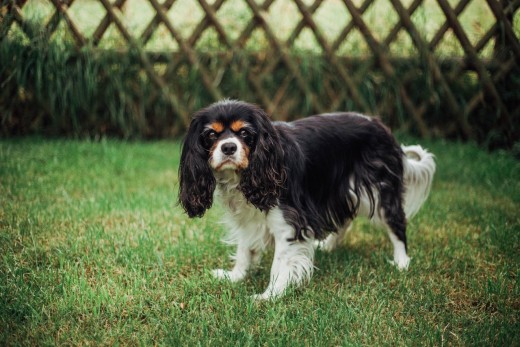
4. Cavalier King Charles Spaniel
- Origin: England
- Height: 12-13 inches (30-33 cm)
- Weight: 13-18 pounds (6-8 kg)
- Life Expectancy: 12-15 years
- Temperament: Affectionate, gentle, friendly
Cavalier King Charles Spaniels are small dogs with big hearts, known for their affectionate and gentle nature. Their friendly and calm demeanor makes them ideal therapy dogs, particularly in settings where a smaller, lap-sized dog is more appropriate. Cavaliers are known to be incredibly in tune with human emotions, often providing comfort through close physical contact and unwavering attention. Their sweet and easygoing nature allows them to form deep bonds with people, offering both emotional and physical comfort.
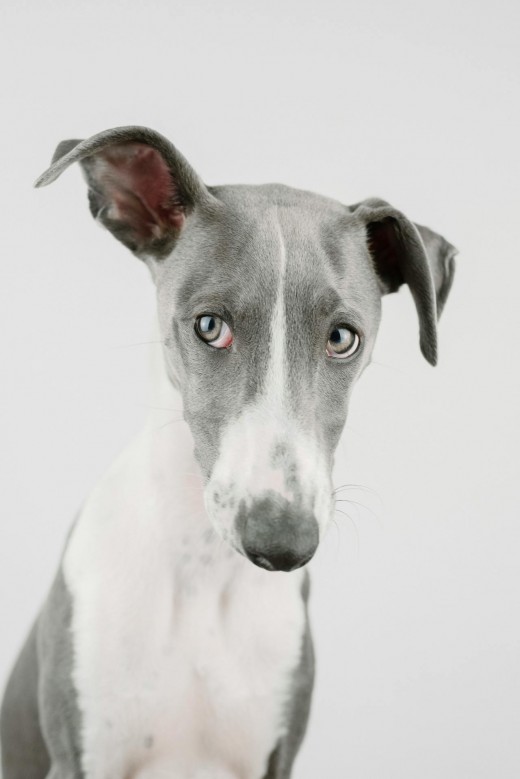
5. Greyhound
- Origin: Egypt
- Height: 27-30 inches (69-76 cm)
- Weight: 60-70 pounds (27-32 kg)
- Life Expectancy: 10-14 years
- Temperament: Gentle, calm, sensitive
Greyhounds, despite their racing background, are known for being incredibly gentle and calm dogs. Their sensitive nature allows them to connect deeply with people, making them excellent therapy dogs, especially in settings where a calm presence is needed. Greyhounds are known to be particularly good with individuals who may be nervous or shy around dogs, as their quiet and laid-back demeanor is reassuring. They are also very patient and can adapt to various environments, from hospitals to schools.
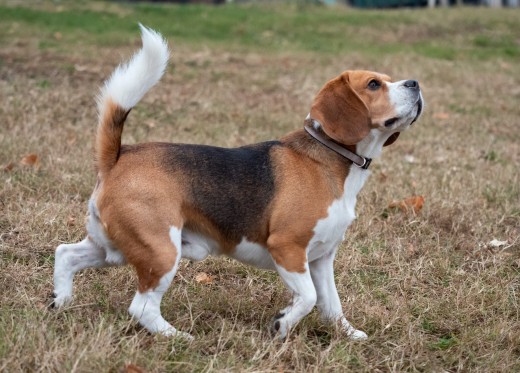
6. Beagle
- Origin: England
- Height: 13-15 inches (33-38 cm)
- Weight: 20-30 pounds (9-14 kg)
- Life Expectancy: 10-15 years
- Temperament: Friendly, curious, affectionate
Beagles are friendly and curious dogs that make excellent therapy animals due to their approachable and loving nature. Their small to medium size makes them versatile for various settings, and their gentle temperament ensures they are well-suited to interact with people of all ages. Beagles are particularly good at providing emotional support, often using their natural curiosity and playfulness to engage with those who might need a little extra encouragement or joy in their day.
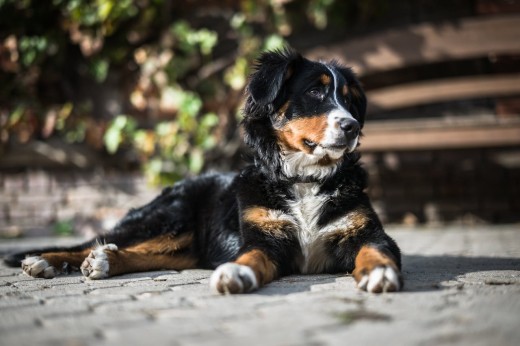
7. Bernese Mountain Dog
- Origin: Switzerland
- Height: 23-27.5 inches (58-70 cm)
- Weight: 70-115 pounds (32-52 kg)
- Life Expectancy: 7-10 years
- Temperament: Calm, affectionate, gentle
Bernese Mountain Dogs are large, calm, and incredibly gentle, making them ideal for therapy work, especially in settings where their size can be an asset. These dogs are known for their affectionate nature and strong desire to be close to people, providing both emotional comfort and physical warmth. Their calm demeanor allows them to be patient and steady, even in high-stress situations. Berners are particularly good with children and the elderly, making them a popular choice for therapy work in hospitals and nursing homes.
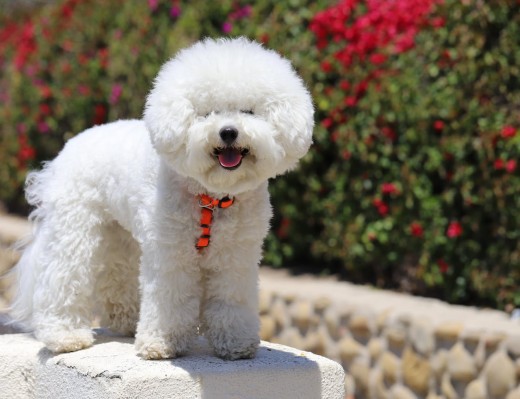
8. Bichon Frise
- Origin: Spain/France
- Height: 9.5-11.5 inches (24-29 cm)
- Weight: 12-18 pounds (5-8 kg)
- Life Expectancy: 14-15 years
- Temperament: Cheerful, gentle, affectionate
Bichon Frises are small, cheerful dogs that bring joy and comfort wherever they go. Their affectionate nature and gentle disposition make them perfect for therapy work, particularly in settings where a small, easy-to-handle dog is needed. Bichons are known for their love of human companionship and their ability to quickly form bonds with people. Their hypoallergenic coats are also a plus in environments where allergies might be a concern. Their cheerful presence can brighten up anyone’s day, making them a favorite in therapy programs.

9. Yorkshire Terrier
- Origin: England
- Height: 7-8 inches (18-20 cm)
- Weight: 7 pounds (3 kg)
- Life Expectancy: 11-15 years
- Temperament: Spirited, affectionate, alert
Yorkshire Terriers, or Yorkies, may be small, but they have big personalities and a lot of love to give. Their affectionate and spirited nature makes them excellent therapy dogs, particularly in settings where a small, portable dog is needed. Yorkies are known for their strong bond with their owners and their ability to provide comfort and companionship. Their small size and adaptability make them ideal for visiting patients in hospitals or residents in nursing homes, where they can easily curl up on a lap and provide emotional support.
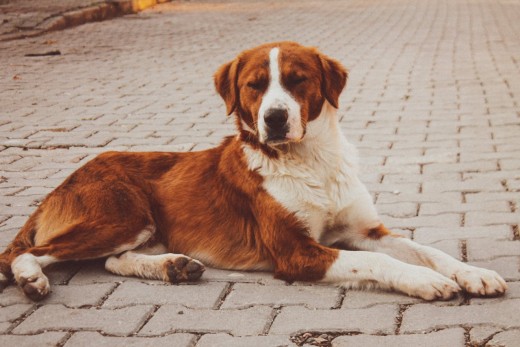
10. Saint Bernard
- Origin: Switzerland/Italy
- Height: 26-30 inches (66-76 cm)
- Weight: 120-180 pounds (54-82 kg)
- Life Expectancy: 8-10 years
- Temperament: Gentle, patient, protective
Saint Bernards are often described as “gentle giants,” known for their calm and patient nature. Despite their large size, they are incredibly gentle with people and have a natural instinct to help and protect. Saint Bernards are excellent therapy dogs in settings where their size can be used to provide physical comfort and support. They are particularly good with children and the elderly, offering both emotional reassurance and a steady, comforting presence. Their calm demeanor allows them to handle a variety of therapy situations with ease.
Conclusion
Choosing a dog breed for therapy work is a special responsibility, as these dogs play a crucial role in the emotional and mental well-being of the people they interact with. The breeds listed above are known for their suitability for therapy work, thanks to their gentle, affectionate, and empathetic natures. Whether you are looking for a dog to provide comfort in a professional setting or simply want a companion with a calm and loving temperament, these breeds are excellent choices for therapy work.
Comments
Post a Comment